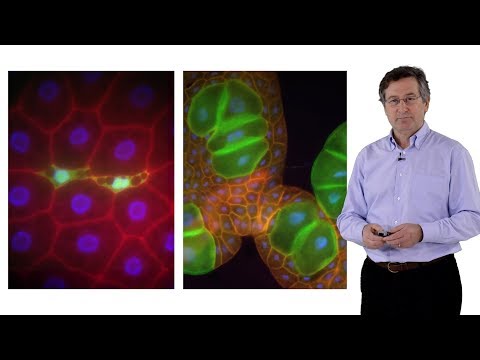
 Plays from YouTube when you click
iBiology Science Stories · September 6, 2017 · 24:39 · 35,330 views
How scientists found what sirolimus acts on: the main claim
Sirolimus led researchers to TOR, a central controller of cell growth that is linked to cancer, metabolic disease and other conditions.
Verdict: a clear and accurate account of how the drug's target was found, and the best starting point for anyone who wants to know why a transplant drug is discussed in aging research. It is a basic-science talk, so it makes no claims about use in people, which is why it earns a top rating.
The story starts with a 1960s expedition to a remote island, where a soil bacterium produced a compound that was first studied as an antifungal. It was dropped because it suppressed the immune system, then revived years later for exactly that property. The speaker then describes yeast screens in which a handful of resistant mutants pointed to the drug's target. That is the origin of the name, target of rapamycin, and it is also why the immune effect, the label's main use, and the growth-control effect come from the same pathway.
The closing section ties the pathway to cancer, heart overgrowth, obesity and insulin insensitivity. He floats the drug as a diabetes treatment and says nobody is seriously developing it that way because of complications. That matches the evidence that long-term exposure can worsen glucose handling.
How scientists found what sirolimus acts on: what holds up
- Describes how the compound came from soil bacteria on Easter Island, was rejected as an antifungal because it suppressed immunity, and later became a transplant drug. This matches the label, which lists prevention of kidney transplant rejection as an approved use.
- Explains that yeast mutants resistant to the drug identified its target, which is now known as mTOR in mammals. The speaker treats this as a base finding, and later reviews build on it. Source
- Says high nutrient levels turn the pathway on, and that chronically high activity can lead to insulin insensitivity. Reviews tie extended treatment to impaired glucose handling through a second complex, mTORC2. Source
- Notes openly that the drug is not being developed as a diabetes treatment because of complications.
How scientists found what sirolimus acts on: what it skips or gets wrong
- Predates the aging trials. The talk is from 2017, so it cannot cover the 48-week human trial or the 2025 reviews that say human data have not shown a benefit for aging. Source
- Says little about safety. Infection risk, mouth sores, raised lipids and slow wound healing are not discussed, because the talk is about discovery.
- Presents the pathway as a master controller in a way a listener could stretch into a case for taking the drug. Controlling cell growth in a dish is a long way from a safe human anti-aging effect. Source
How scientists found what sirolimus acts on: strengths and weak spots
Strengths
- Clear history of how the target was found
- Honest about the limits of the diabetes idea
- Short and well paced
Weak spots
- Dated by years
- No clinical safety discussion
- Dense for a beginner
How scientists found what sirolimus acts on: our recommendation
Watch this first if you want to know what the drug does at cell level. Read the trial reviews separately for what it does in people.